
Platform · Eco Financing®
Turn the price your rebate leaves into a monthly payment.
Eco Financing is built into checkout beside your incentive. Lending partners underwrite the loans and carry them on their balance sheet, not yours, so the same rebate budget reaches the customers who would otherwise walk away.
- 53%
- of U.S. adults can't cover a $1,000 unplanned expense from savings
- $0
- program cost; loans sit on the lender's balance sheet
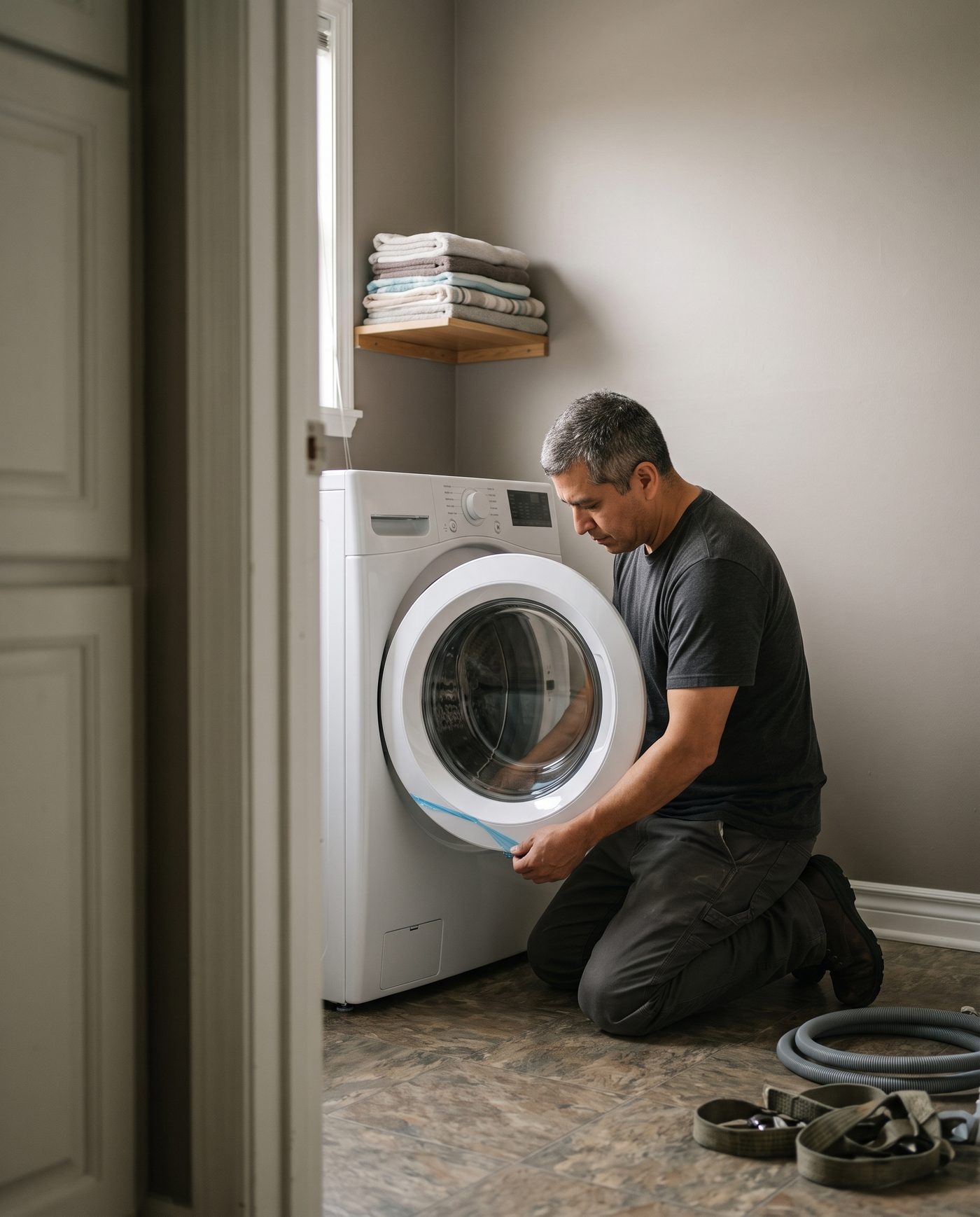
Illustrative payment on $1,300 over 60 months; actual rates vary by lender, state and credit profile.
Why financing matters
Rebates lower the price; financing raises participation.
That matters to any program measuring completed installs per incentive dollar.
-
53%
Of U.S. adults can’t cover a $1,000 unplanned expense from savings
$1,000 is the typical price of an efficient appliance. When the old one fails, the cheapest unit in stock wins by default — unless the price can become a payment.
Bankrate 2026 Emergency Savings Report (YouGov, Dec 2025, n=2,564): 47% could cover a $1,000 emergency expense
-
3–60
Months to repay, at a fixed monthly payment
Installment loans spread the cost over a fixed term; credit cards, BNPL and store financing do not. For many customers, that decides whether they buy or walk away.
Eco Financing program terms
-
#1
Reason customers choose Eco Financing
“Affordable monthly payments.” Customers optimize the payment, not the APR — which is why most pick the longest term available.
Enervee post-purchase survey data
A different kind of financing
Financing built for program participation.
Retail financing often comes with high rates, tight credit requirements and deferred-interest traps. Eco Financing is built into the platform to remove barriers to program participation.
Typical retail financing
Designed to generate profit
- High APRs drive margin for the retailer
- Tight credit requirements protect profit
- Deferred-interest promotions with back-end penalties
- Short terms push payments higher
- Incentives favor the sale, not the customer
Designed to remove barriers
- Affordable rates, institutional pricing
- Accessible credit to broaden participation
- True installment loans — no deferred-interest traps
- Extended terms to keep monthly payments low
- Aligned with your program’s participation goals
How it works
A platform capability, not a lending product.
Eco Financing is a feature of the Enervee Marketplace Platform.
Embedded at checkout
Customers see monthly payment options alongside their cart total, with no redirect and no separate application.
Off your balance sheet
Lending partners underwrite and service the loans, so your program carries no on-book credit exposure, capital requirement or servicing burden.
True consumer loans
Installment loans with fixed monthly payments — sized for larger purchases and longer terms than credit cards, BNPL, or store financing.
Accessible and fair
Risk-based pricing designed to reach the customers traditional retail financing misses. Pre-qualification with no impact to credit score.
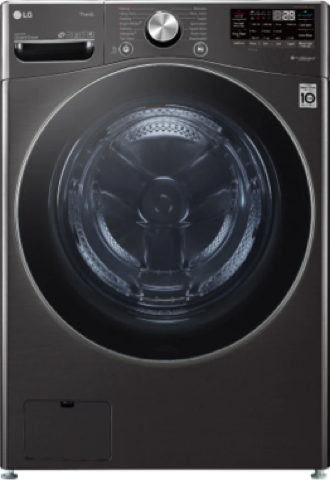
Customers optimize the payment, not the rate — most pick the longest term. No cost to the program at any term shown.
Pre-qualify with no impact to your credit score
What shoppers see at checkout — monthly payment beside the cart total, no redirect, no separate application. Try the amount and term. Illustrative APR; actual rates vary by lender, state and credit profile.
Why Eco Financing
How Eco Financing compares with credit cards, BNPL and store financing.
| Feature | Eco Financing | Credit card | BNPL | Store financing |
|---|---|---|---|---|
| Affordable long-term payments | Yes | — | — | — |
| Fixed, predictable payments | Yes | Variable | Short term | Varies |
| Free of deferred interest | Yes | — | Yes | — |
| Extended loan terms | Yes | — | — | Limited |
| Accessible credit | Yes | Varies | Limited | Varies |
What it changes
What financing changed in two state evaluations.
Financing never replaces the incentive. It lets more customers pay the rest of the price monthly. The evaluations below cover efficiency, order value and reach.
-
4 in 5
Financed buyers would have bought less efficient, or not at all
Only 20% of borrowers would have matched that efficiency without financing.
CPUC GoGreen Home impact evaluation, 2024
-
↑ AOV
Higher average order value
Customers with financing chose higher-efficiency products, with more kWh and therm savings per transaction from the same incentive (NYSERDA, 2024).
NYSERDA NY Marketplace final report, 2024
-
Income-qualified programs →
Reach
Financing is also how income-qualified programs hit their participation targets.
Two state evaluations measured who financing reaches. That evidence is on the Income-qualified programs page.
For utilities and state programs
Add financing to your program.
Talk to us about Eco Financing for your utility or state program.
For borrowers
Eco Financing by Enervee
Consumer financing for energy-efficient appliances, embedded at checkout on participating utility marketplaces.
-
Existing borrower?
Access statements, make payments, and get support from your loan servicer.
Manage your loan →Eco Financing customer support · (888) 291-0347 · support@ecofinancing.com · Mon–Fri, 9:00 AM – 6:00 PM PT