
Utility programs, delivered at checkout
Build the virtual power plant at checkout. That's where the yes is.
Demand response pre-enrollment means the customer joins your program while buying the device, in the same checkout: eligibility checked against your records, the incentive applied, the device pre-enrolled before it ships.
Documented by the U.S. Department of Energy as a high-impact action for VPP enrollment. Read the report (PDF, pp. 22 and 63)
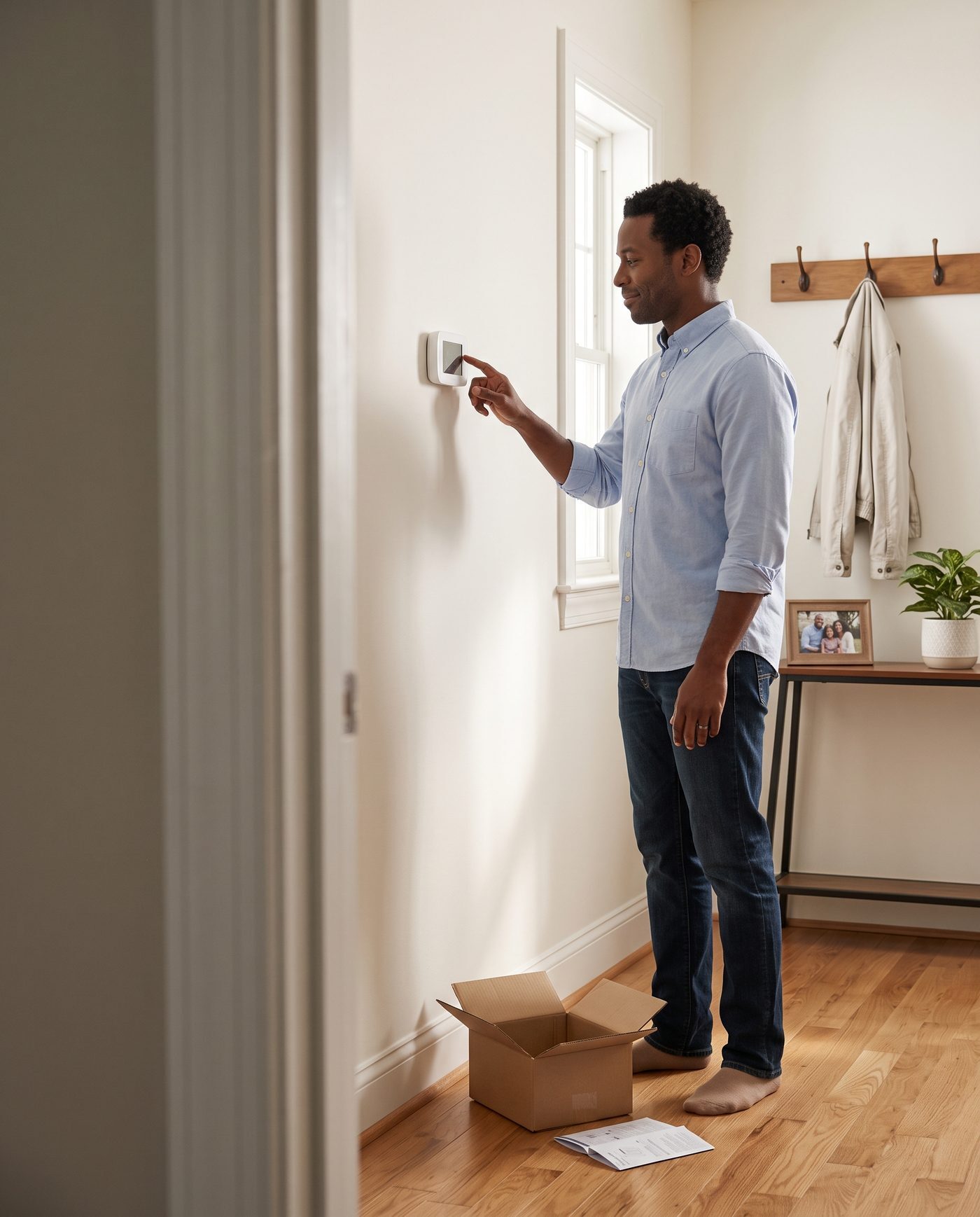
Demand response pre-enrollment at a glance
What it does for you
- Enrolls the device in your program as it's bought: one opt-in at checkout, enrolled before it ships.
- Applies the DR incentive in the same checkout, stacked on any efficiency rebate.
- Recovers the incentive if a device never comes online. Enervee runs the recovery.
The evidence
- 95%of smart thermostat buyers pre-enroll at checkout, against DOE's 60%+ benchmarkA large Northwest utility, 1 July – 1 September 2026
- 78%of pre-enrolled buyers go on to an installed, connected deviceSame program, every order since March 2025
- 97%pre-enrolled across roughly 40,000 thermostats on an earlier marketplace Enervee ranDocumented in DOE's VPP Liftoff report (2025), pp. 22 and 63
How it runs Enervee is your program implementer for demand response enrollment at purchase, on a platform we own and operate. We handle validation, submission, status tracking and recovery; your DR provider runs device management and events.
See the full evidenceThe problem
DR eligibility checks that don't slow the checkout
Enrollment at purchase is easy to offer. Whether it works depends on what your eligibility checks ask of the customer mid-checkout.
Without verification, the program inherits enrollments it cannot honor: rejected claims, reconciliations, and customers told yes and later told no. Verification added as extra steps, such as an account-number prompt or a slow lookup, loses customers at the step where they would have enrolled.
Validation runs against your dataset in real time while the customer moves through the flow. Per-order and per-account caps apply without being announced. The customer sees a rule only when it disqualifies them, with the reason, at that step. A customer who qualifies is never asked to prove eligibility.
Where you cannot support a real-time interface, validation runs against a periodic eligibility file matched on the fields you can supply. Some configurations need no account number, so the customer is not sent off to find one. Business rules are configured per Incentive Request Form and enforced by rebate type, so demand response and efficiency rules apply independently on the same order.
- Account matched to your records automatically. Nothing for the customer to look up or type.
- Heating type eligible — checked silently, because this program requires it.
- Second of two devices permitted this program year. A third is declined here, with the reason — the only point at which the customer sees a rule at all.
Three rules enforced. One opt-in for the customer, and no fields added to the checkout. Illustrative — rules, caps and required fields are configured per program.
How it works
How point-of-sale demand response enrollment works
A customer choosing a compatible thermostat opts into your program in the same flow, and the DR incentive applies immediately as an instant rebate, stacked on any efficiency rebate on the same product. The customer sees one net price; the two incentives are claimed separately, from separate budgets.
The efficiency incentive is earned on the purchase. The DR incentive is earned on pre-enrollment, before the device is connected. That is what creates the activation obligation, and the recovery behind it.
-
01Customer
Opt in at checkout
A dedicated DR step carries your program terms, with explicit opt-in. Only opt-ins receive the rebate.
-
02Fulfillment
Serial captured at fulfillment
Reported on the shipment update. The customer is never asked to find it or type it.
-
03Enervee
Validated and deduplicated
Checked against a per-model format rule and against existing enrollments, so no malformed serial reaches your provider.
-
04Enervee
Submitted to your provider
The enrollment policy routes it to the right provider, program and device platform.
-
05Enervee
Status polled back
Stored with its full change history and the provider’s raw response.
Because each enrollment is tied to a specific, verified device, the claim is defensible in an evaluation and any later charge to the customer is fair.
Evidence
Pre-enrollment results: 95% of smart thermostat buyers, against a 60% benchmark
DOE's Pathways to Commercial Liftoff: Virtual Power Plants (2025 Update) identifies point-of-purchase enrollment as a high-impact lever and cites 60% or more as the demonstrated benchmark for it. The same report names Enervee as the marketplace provider behind one of its case studies.
of smart thermostat buyers pre-enroll in the demand response program during checkout.
Up from 65% after the pre-enrollment incentive rose from $25 to $125 on 1 July 2026. A large Northwest utility, measured 1 July – 1 September 2026.
of those who pre-enrolled at checkout go on to complete enrollment — the device installed and connected to the utility's demand response platform.
Same program, across every order since it launched in March 2025.
The two rates cover different windows, so they describe two stages rather than one cohort — no combined figure is implied. The documented case sits alongside them: an earlier thermostat program, named in DOE's VPP Liftoff report (pp. 22 and 63) and in Public Utilities Fortnightly, January 2022, pre-enrolled at 97% across roughly 40,000 thermostats on a marketplace Enervee built and operated.
Beyond thermostats
Beyond smart thermostats: EV chargers and heat pump water heaters
Thermostats alone may not reach your peak target. Households will keep buying and enrolling thermostats for years, so volume is not the constraint. A thermostat fleet can shift only so much load, and peak targets keep moving.
-
Pre-enrollment live
 100
Instant rebate
100
Instant rebate
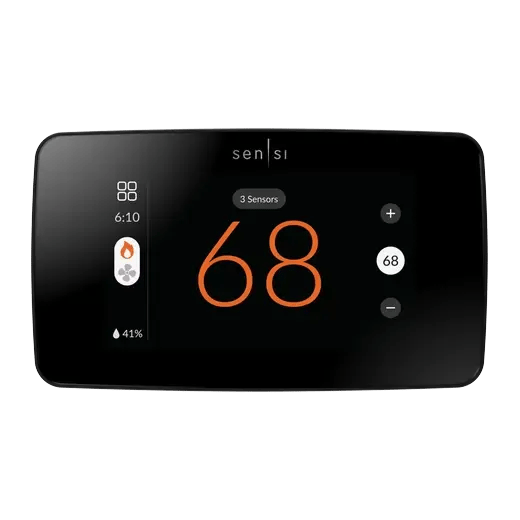
Smart thermostat
Wi-Fi connectedFour manufacturers in production, configured per SKU.
-
Transacting today
 100
Instant rebate
100
Instant rebate
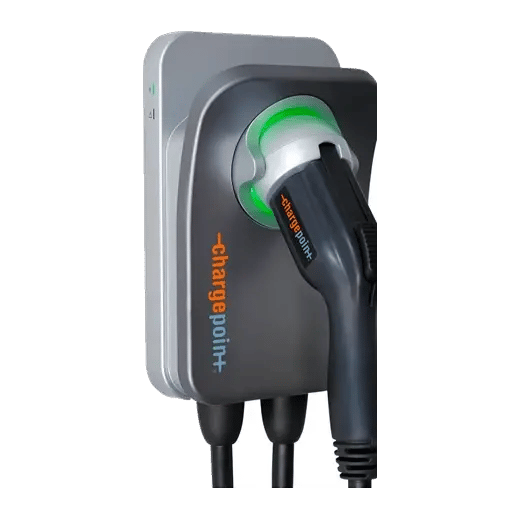
EV charger
Level 2, Wi-Fi connectedInstant rebates at checkout. Pre-enrollment when your provider supports the device.
-
Transacting today
 94
Instant rebate
94
Instant rebate
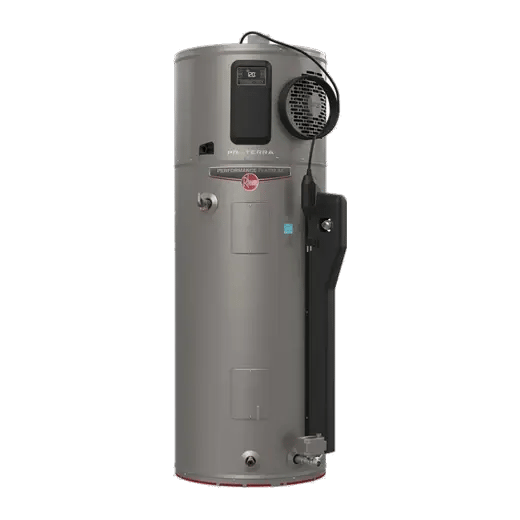
Heat pump water heater
Electric, tankInstant rebates at checkout. Pre-enrollment when your provider supports the device.
Activation & recovery
What happens when a pre-enrolled device never comes online
The incentive is paid at purchase, before the device is connected. If the device never comes online, Enervee recovers the incentive, and no one is charged without three reminders first.
-
At checkout
Incentive applied. The activation requirement is stated in the terms the customer opts into.
-
Reminder one
Prompts installation and connection.
-
Reminder two
Carries the time remaining and the amount at risk.
-
Reminder three
Counts down to the charge date.
-
Recovery, or not
If the device came online, nothing happens. If it did not, the card is charged and a final message explains why.
The sequence follows the device's status as your DR provider's platform (DERMS) reports it. A customer who activates stops hearing from us, and a device that is online but not yet enrolled is messaged differently from one with a failed enrollment.
Recovered funds are credited back to your DR rebate fund, with chargeback fees netted against it. Your program controls recovery: you approve any suspension of it, and we have paused it for specific device cohorts at a utility's direction. Customers who return the product, or who charge back, become eligible again.
You are not left paying incentive dollars for a device that never comes online, and Enervee runs the recovery.
Before any charge, four checks.
- A valid DR benefit on the order
- A serial matching the shipment record
- An original payment that succeeded
- No existing recovery for that order and device
Scope & integration
Supported smart thermostats and DERMS integration
Pre-enrollment is live for smart thermostats from four manufacturers. Other devices can be pre-enrolled once your DERMS provider supports them.
- Google Nest
- ecobee
- Sensi
- Honeywell Home