
The replacement moment · Water heaters
Help customers when the water heater fails. That's where the scale is.
A failed water heater forces an urgent, expensive and unfamiliar purchase. On a utility marketplace the customer compares every model, sees the installed price with your instant rebate applied, and can pay monthly. Model what it looks like in your service area.
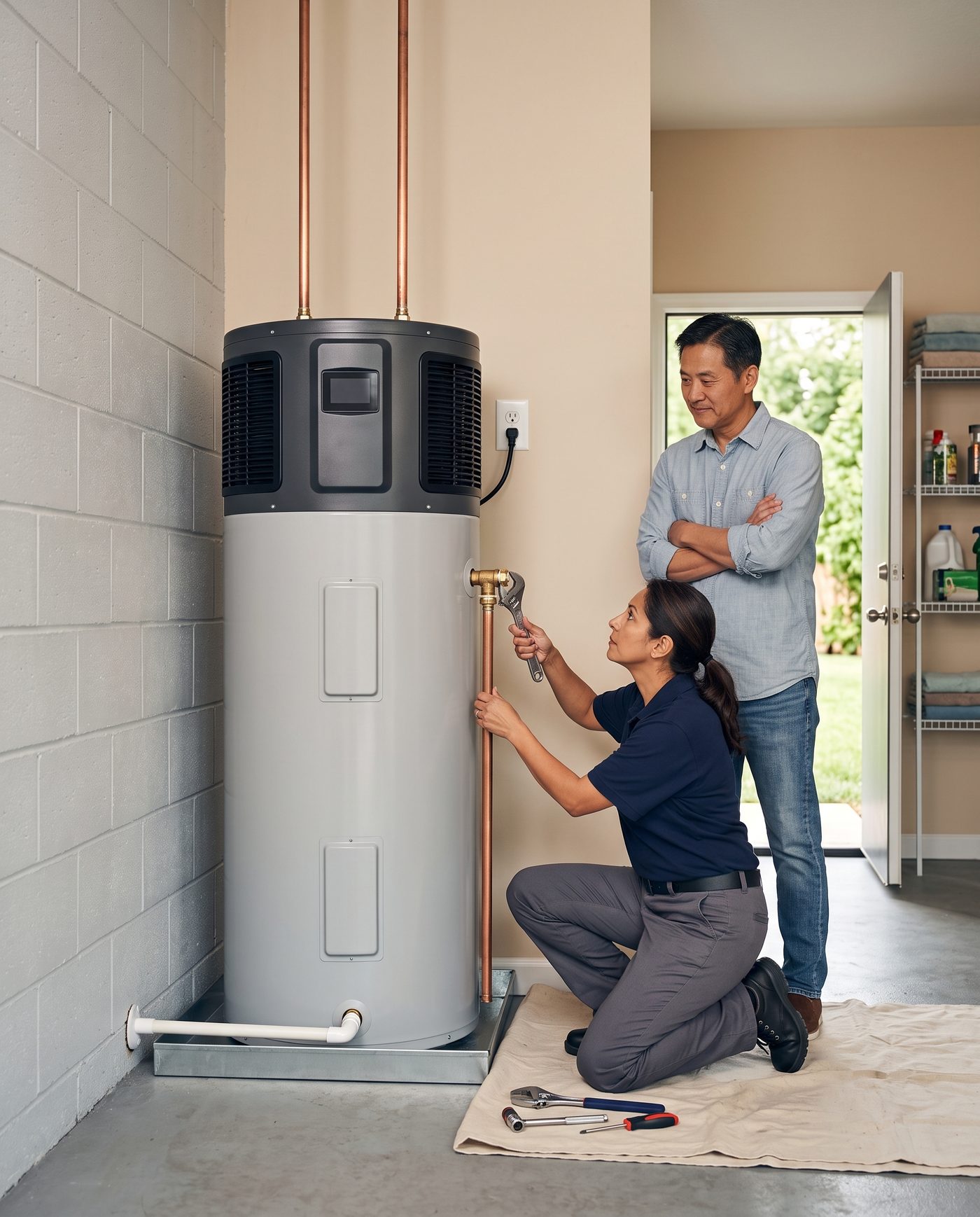
Water heater programs at a glance
What it does for you
- Meets the customer at the failure, with a clear comparison, the installed price and your rebate applied at checkout.
- Turns the price after rebate into a monthly payment with Eco Financing®, off your balance sheet.
- Delivers and installs in the same order, at one fixed price set before anyone enters the home.
The evidence
- 561tankless water heaters ordered in one day, after one email to 6M householdsLargest Southern California gas utility's marketplace, 10 February 2026
- 67/dayaverage water heater orders in DecemberSame program, December 2025
- Q1annual incentive budget fully subscribed, by 24 FebruarySame program, 2026
How it runs Enervee is your program implementer for water heater replacement, on a platform we own and operate: fulfillment and installation coordinated in the same order. The rebate levels and the budget stay yours.
See the full evidenceAt the failure
Why water heater rebate programs miss emergency replacements
-
75%+
Three-quarters of water heater replacements happen because the unit failed.
Source: NEEA Water Heater Market Characterization 2018, cited in CalNEXT Emergency Replacement HPWH Market Study, 2024
-
1 option
In the emergency, the typical customer sees one installer, one product, one price. They default to a like-for-like replacement.
Sources: DOE ENERGY STAR Water Heater Market Profile, 2010; NEEA 2018
-
$2,000
Where rebates rose without price transparency, installed costs rose with them — up to $2,000 higher in high-incentive territories.
Source: CalNEXT ET23SWE0020, VEIC 2024
Case study · Largest natural gas utility in Southern California
How a gas utility's water heater program meets the failure moment
-
01
Show every model, its price and its Score
The utility-branded marketplace opens up the whole market: every model, live pricing, visible incentives, and an Enervee Score for every unit.
-
02
Make the installed price visible
Transparent market pricing plus up to $1,500 in instant rebates applied at checkout — with hardware, incentive, and installation each broken out, so the customer can see what a competitive bid looks like.
-
03
Monthly payments at checkout
53% of U.S. adults can’t cover a $1,000 unplanned expense. Eco Financing® turns the order into monthly payments, an alternative to rent-to-own or high-APR consumer credit.
-
04
One fixed price, installation included
Professional installation and haul-away bundled into the price shown — set before anyone enters the home. Often thousands less, fully installed.
 100
100
 3–60 month terms
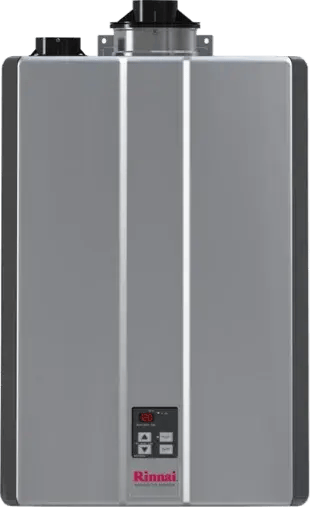
What shoppers see on every product — score, installed price, rebate, and monthly payment together. *Illustrative terms.
Daily tankless water heater orders
Water heater program results: 561 orders in one day
Marketplace of the largest Southern California gas utility · Oct 2025 – Mar 2026 · actual daily order data
Annual incentive budget fully subscribed
What the Q1 budget cap tells us. For program teams: size the incentive budget for the volume that failure-driven replacement produces. The program continues.
Water heater financing at checkout, off your balance sheet
Spread the first cost into monthly payments. Embedded lending at checkout, underwritten by lending partners (U.S. Bank nationally), not by Enervee or your program.
Monthly payments from 3 to 60 months
0% on 3- and 6-month terms by default. A longer 0% term is bought down by the program, at a cost per financed dollar. Priced live in the calculator below.
Lending-partner underwriting
The lending partner underwrites and services every loan, including compliance and statements.
No balance-sheet exposure
Financing is fully off balance sheet, with no cost to the utility beyond the optional 0% APR buydown.
Program calculator
Water heater program calculator: installs, savings and incentive budget
Enter your territory and program parameters. The model projects a 12-month campaign of monthly emails to your own customer list, a channel you already own at zero media cost. It returns installs, savings and the incentive budget you'd actually need, for year one and a 3-year cycle.
Your program
Defaults come from Enervee programs; change any of them to match yours.
Personalize the model & funnel assumptions
Questions about the assumptions? Talk to our team.