
Platform · Choice Engine® & Enervee Score®
The Enervee Score rates every model. The Choice Engine ranks every choice.
The Enervee Score is a 0–100 rating of a product's energy efficiency relative to every other model on sale in its category, recalculated as the market changes. The Choice Engine uses it to rank and present the efficient option first. In all four studies, showing the Score raised the efficiency of what people chose; the effect was strongest among lower-income shoppers.
- 40+
- product categories, recalculated daily
- 0–100
- normalized — a 90 means the same on every category
The top 10% of models in the category on the market today.
One system
Every model rated against its category, then ranked for the shopper.
The Enervee Score® rates a product against every other model in its category, recalculated daily across more than 40 categories. The Choice Engine® then orders the results by Score, price and available incentives — so the efficient option appears first.
-
Rated 0–100
Every model in a category scored against every other, normalized so a 90 means the same on a refrigerator as on a television.
-
Ranked in context
The Choice Engine® weighs efficiency, price and available incentives together, and lists the best option for the shopper first.
-
Choices shift
People choose more efficient products when the Score is present — measured in peer-reviewed trials, with the largest effect among low-income shoppers.
Methodology
Calculating the Enervee Score.
The higher the Enervee Score, the more efficient that product is, relative to all other relevant products in its category. Normalized across categories, the Enervee Score lets shoppers see at once how efficient any model is. It is recalculated daily for every product category.
Every product gets its own Enervee Score on the full 0–100 scale. All but the best 10% of products score between 0 and 90, with specific bands for easy recognition. The top 10% of products in each category score 90–100, the Ideal band.
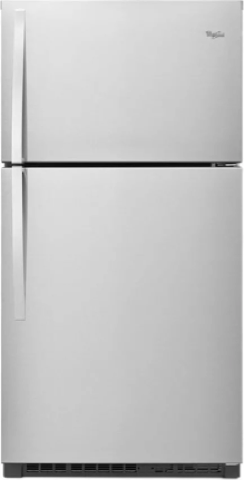 91
91
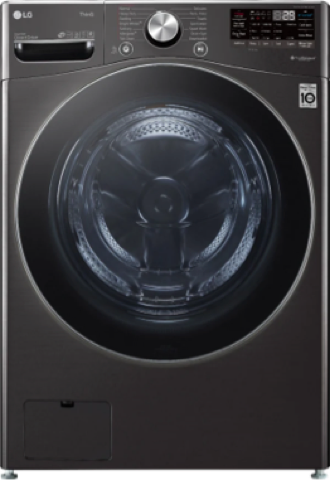 94
94
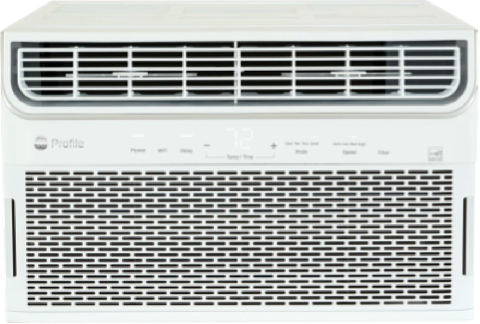 88
88
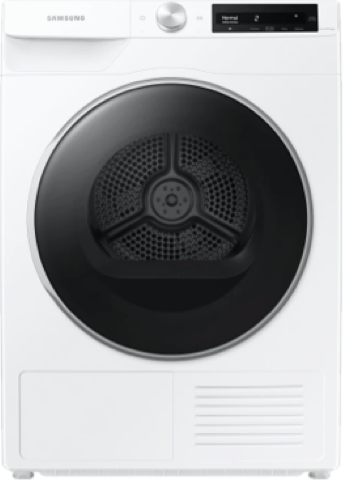 92
92
 94
94
Ideal (90–100) is always the top 10% of the category. Bars follow the live category distributions on choose.enervee.com, September 2026.
By category
Enervee Score methodology for each product category.
Enervee uses the accepted test standards for performance and efficiency ratings in each territory where it is used. For categories that are not regulated by standards — video game consoles, for instance — Enervee develops the methodology itself, on the same patented approach behind every Score.
-
Heating & Cooling
Air conditioners
BTUs of cooling power per watt.
Shop now → -
 Heating & Cooling
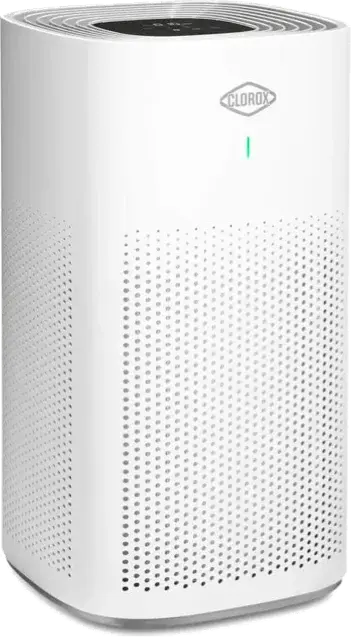
Air purifiers
Clean air delivery rate per watt.
Shop now → -
 Heating & Cooling
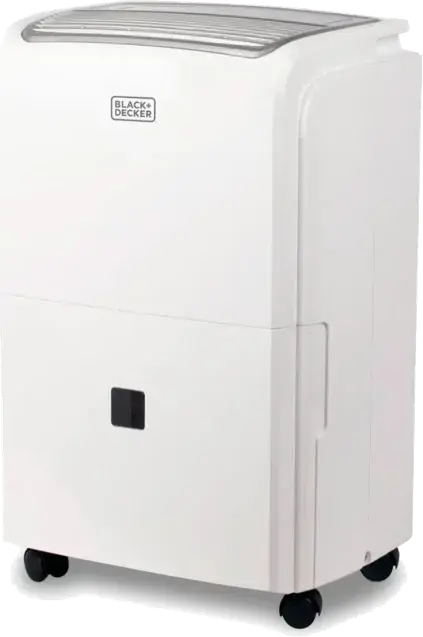
Dehumidifiers
Litres of water removed per kWh.
Shop now → -
 Heating & Cooling
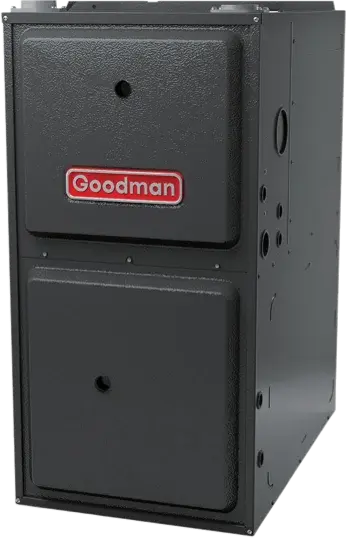
Gas furnaces
Heating energy output per unit of input fuel energy.
Shop now → -
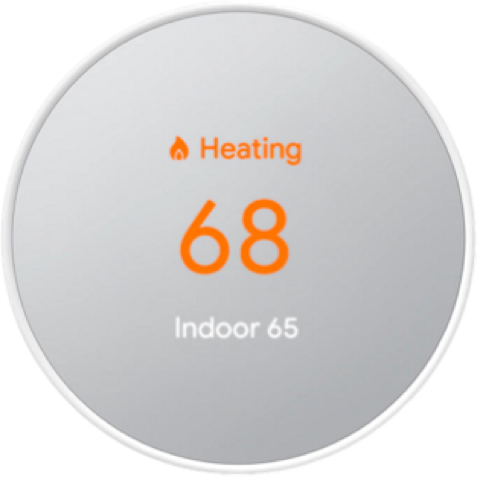 Heating & Cooling
Thermostats
Energy savings realised per kWh.
Shop now → -
Heating & Cooling
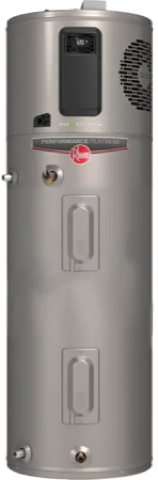
Electric water heaters
Heat delivered to water per kWh.
Shop now → -
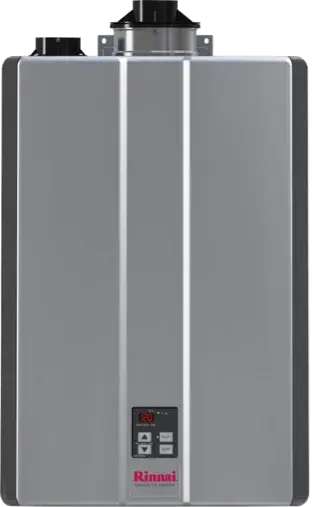 Heating & Cooling
Gas water heaters
Heat delivered to water per therm.
Shop now → -
Laundry
Clothes washers
Cubic feet of volume per kWh per cycle.
Shop now → -
Laundry
Electric dryers
Pounds of clothes dried per kWh.
Shop now → -
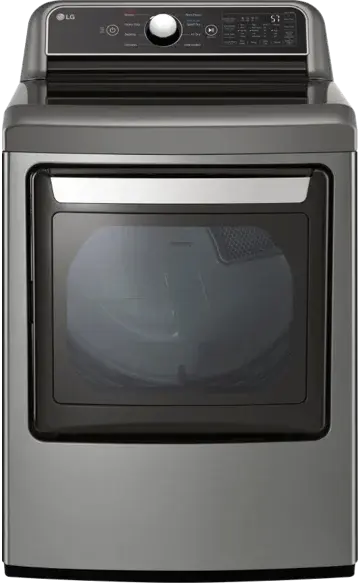 Laundry
Gas dryers
Pounds of clothes dried per therm.
Shop now → -
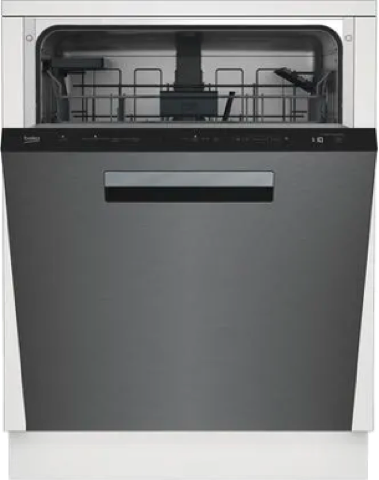 Kitchen
Dishwashers
Dishwashing cycles per kWh.
Shop now → -
Kitchen
Refrigerators
Capacity in cubic feet and kWh per year.
Shop now → -
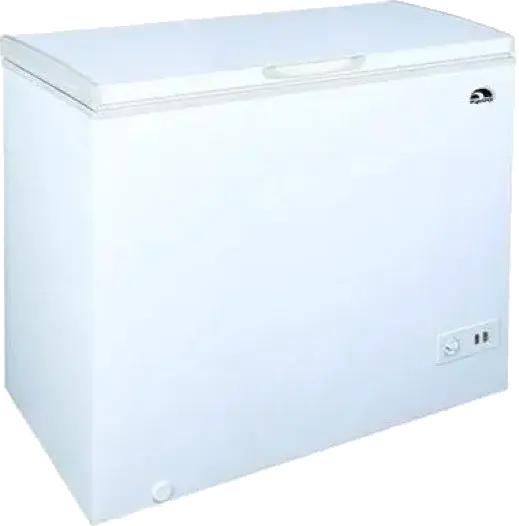 Kitchen
Freezers
Capacity in cubic feet and kWh per year.
Shop now → -
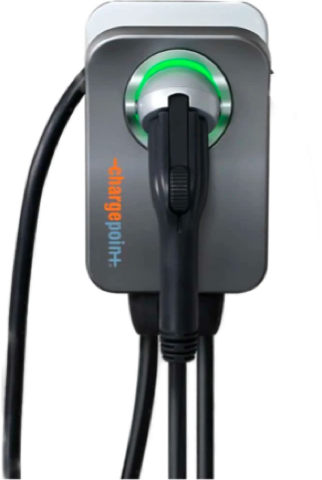 Transportation
EV chargers
Energy savings relative to a low-efficiency baseline.
Shop now → -
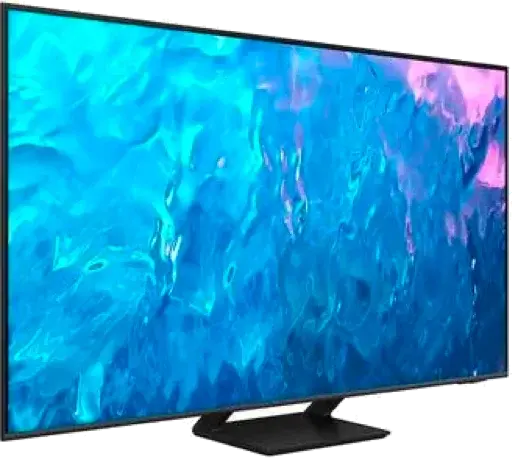 Entertainment
Televisions
Screen size (diagonal in) and kWh per year.
Shop now → -
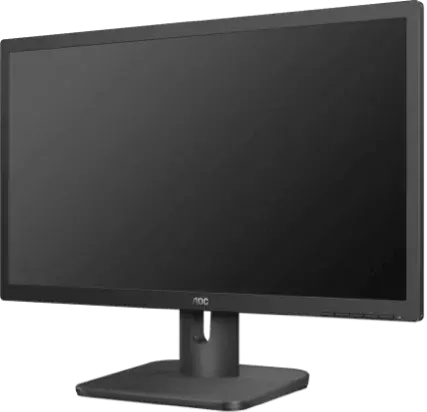 Entertainment
Monitors
Screen size (diagonal in) and kWh per year.
Shop now → -
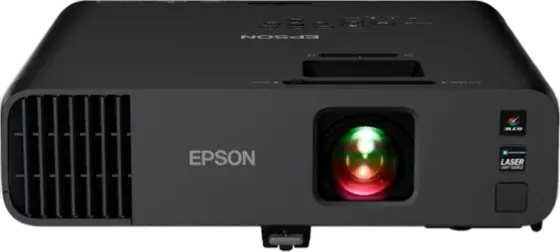 Entertainment
Projectors
Lumens of brightness and kWh per year.
Shop now → -
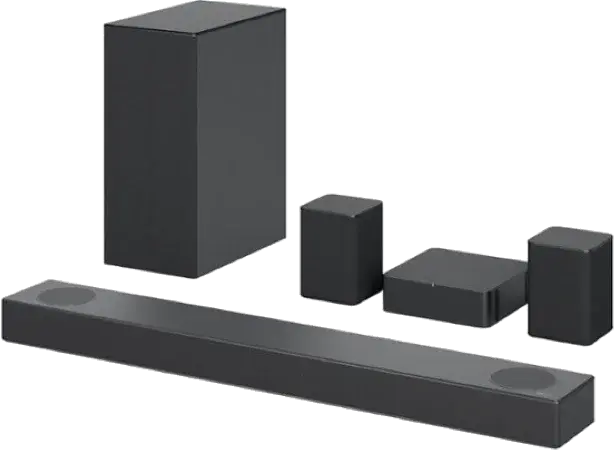 Entertainment
Sound bars
Power consumption across modes.
Shop now → -
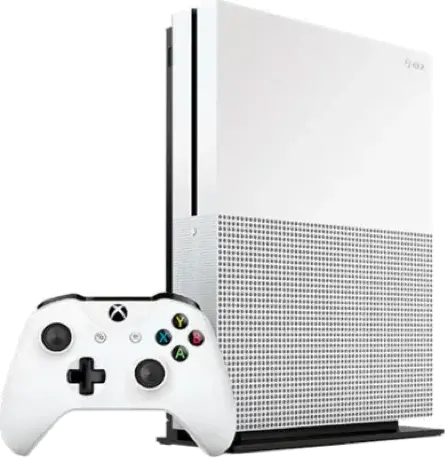 Entertainment
Game consoles
Performance (CPU, memory, storage) and kWh.
Shop now → -
Entertainment
Tablets
Performance (screen, CPU, memory) and kWh.
Shop now → -
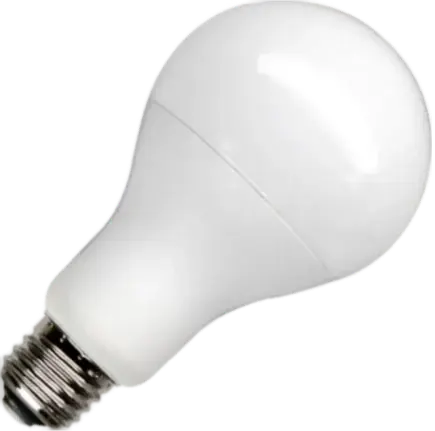 Lighting
Light bulbs
Lumens of brightness per watt.
Shop now → -
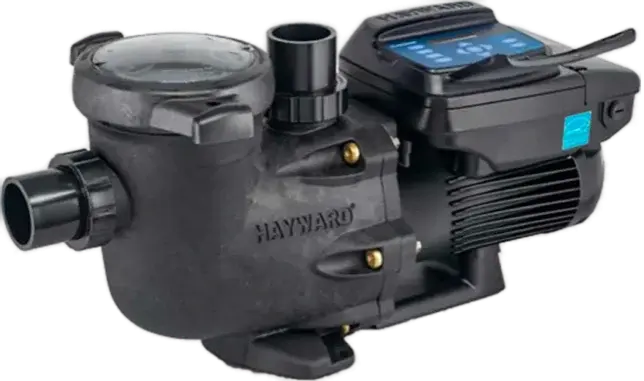 Pool
Pool
Pool pumps
Flow rate in gal/hr and energy factor in gal/kWh.
Shop now →
Peer-reviewed
Showing the Score changes what people choose.
In three randomized controlled trials of 200 respondents each, showing the Enervee Score raised the average Score of the product chosen by four to five points (85.5 to 89.5 in the first), with the largest effect among low-income shoppers.
Read the paper in Energy Efficiency (open access) →Average Enervee Score of the product chosen · 3 RCTs · n=200 each