.jpg)
Having built utility marketplaces since 2014, I can tell you the #1 reason most of them underperform.
It's not the technology. It's not the product selection. It's not even the marketing budget.
It's that the marketplace only supports one program.
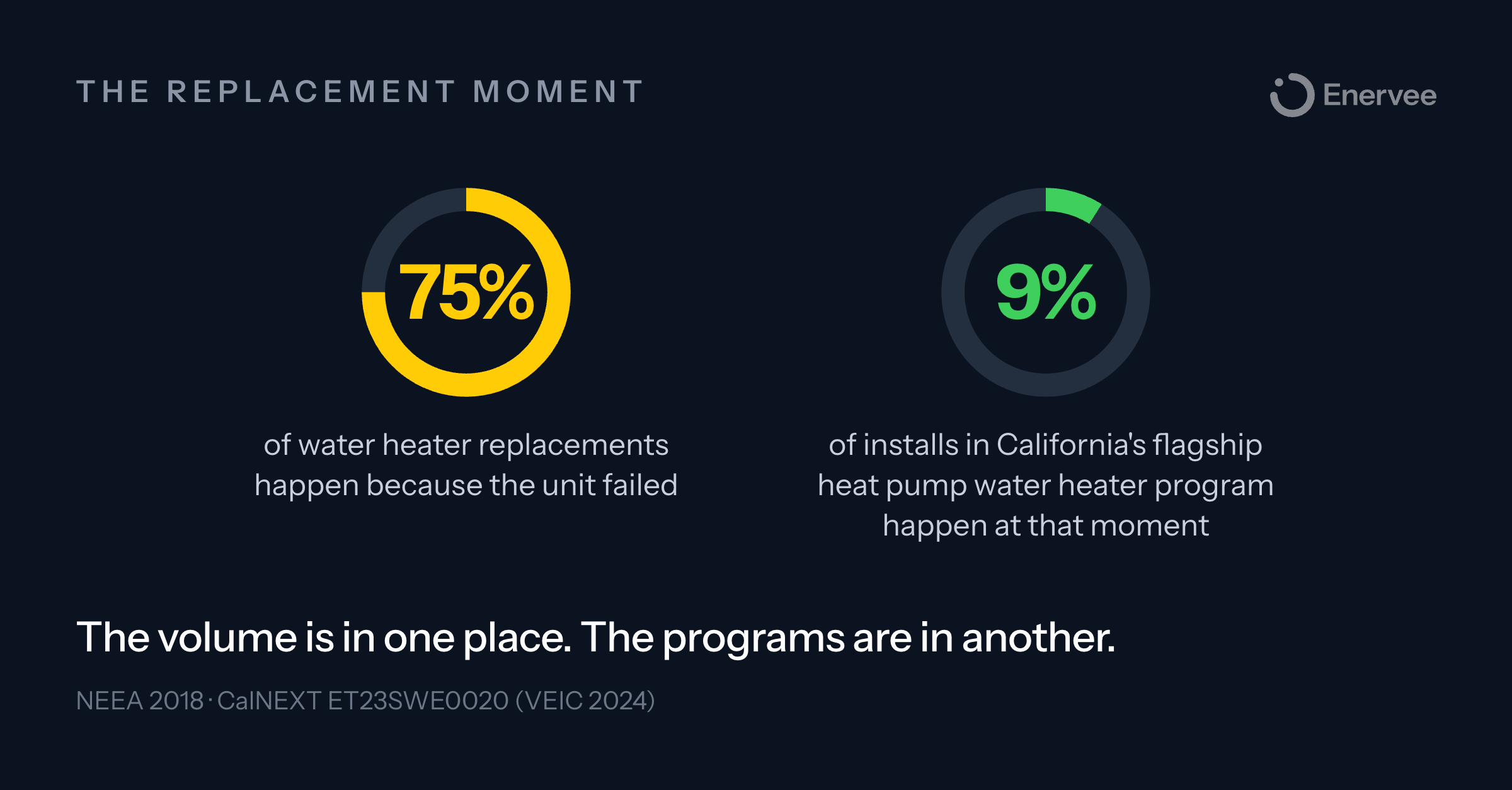
Here's the pattern I see over and over: a utility launches a marketplace to support its smart thermostat program. It lives in one department, serves one set of goals, and reaches one slice of customers. Meanwhile, down the hall, another team is running a financing program. Another is focused on reaching low-income customers. Another is working on demand response. Another is trying to accelerate heat pump adoption. And another is thinking about emergency preparedness — backup batteries, air purifiers for wildfire season.
Each of these programs has its own budget, its own vendors, its own customer touchpoint. None of them are connected. And the marketplace only covers one product category when the average home has decisions to make across 40 or more — from water heaters and HVAC to laundry, refrigeration, cooking, and air quality.
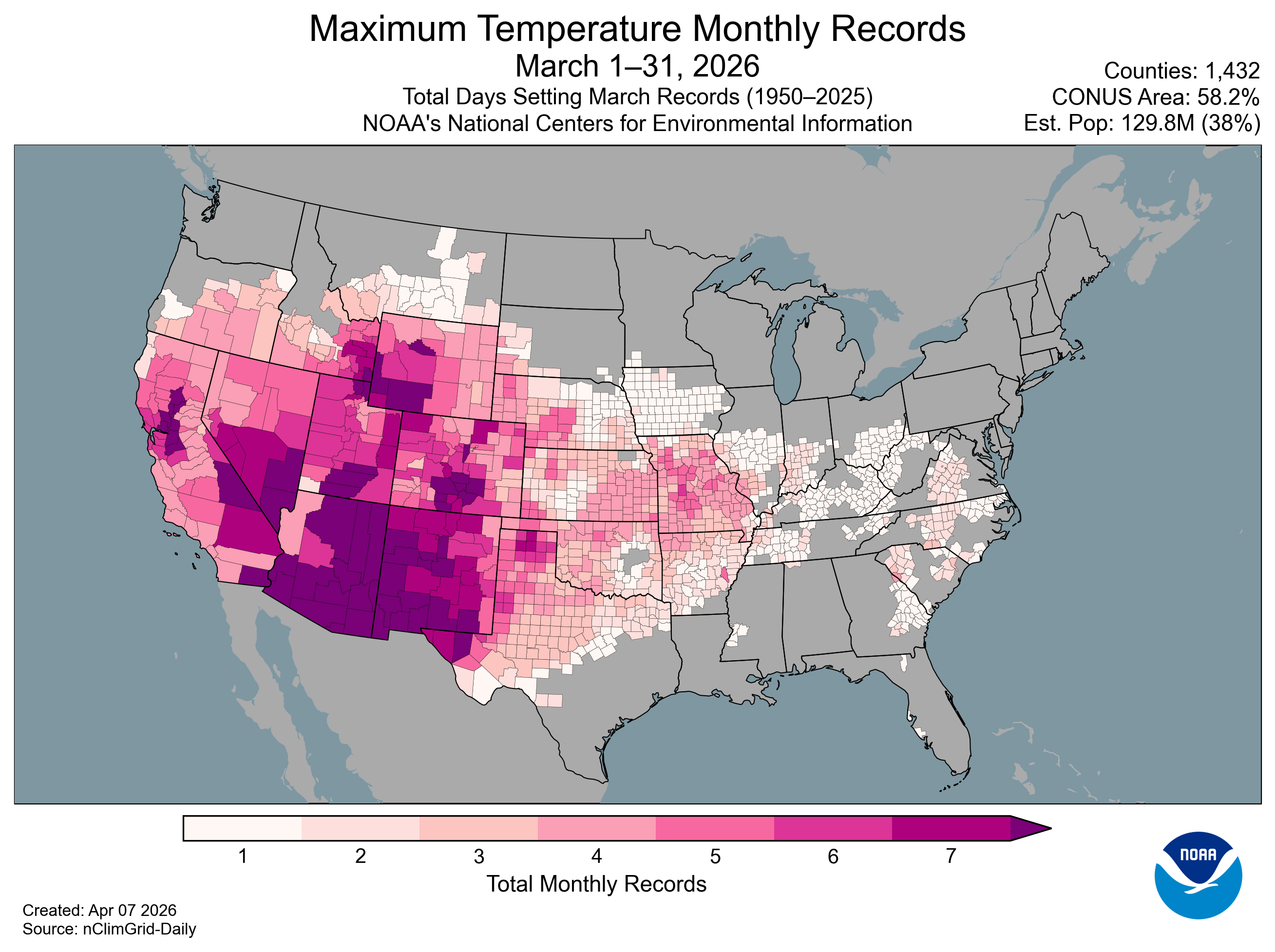
With that many categories, there's always a seasonal reason to reach customers: cooling prep in spring, air quality during fire season, heating in fall, holiday appliance deals in winter. One program can't sustain that cadence. A full marketplace can.
The real opportunity is a single marketplace platform that supports all of these programs at once:
-
Energy efficiency across all major appliance categories
-
Embedded financing that makes efficient products affordable for hard-to-reach customers
-
Electrification and heat pump adoption
-
Demand response, integrated at the point of purchase
-
Emergency preparedness — air purifiers, battery backup
When you combine 40+ product categories and multiple programs on one platform, something powerful happens. The customer sees one cohesive experience instead of six disconnected programs. Participation scales because every customer touchpoint can serve multiple utility goals at once. And the utility builds a brand relationship with customers that goes beyond a monthly bill.
The hardest part isn't building the technology. It's getting the silos to work together. But the utilities that figure this out are the ones seeing real scale.