
Programs · Resilience & preparedness
Resilience and preparedness programs on the marketplace you already run.
Outage, smoke, heat. Preparedness measures carry no savings claim, demand for them arrives in surges, and the customers who need them most are the hardest to reach. The same marketplace that runs your efficiency programs handles all three problems: target households from your customer file, ZIP list or shapefile, verify them at checkout, and ship the unit direct in days — before the event and during it.
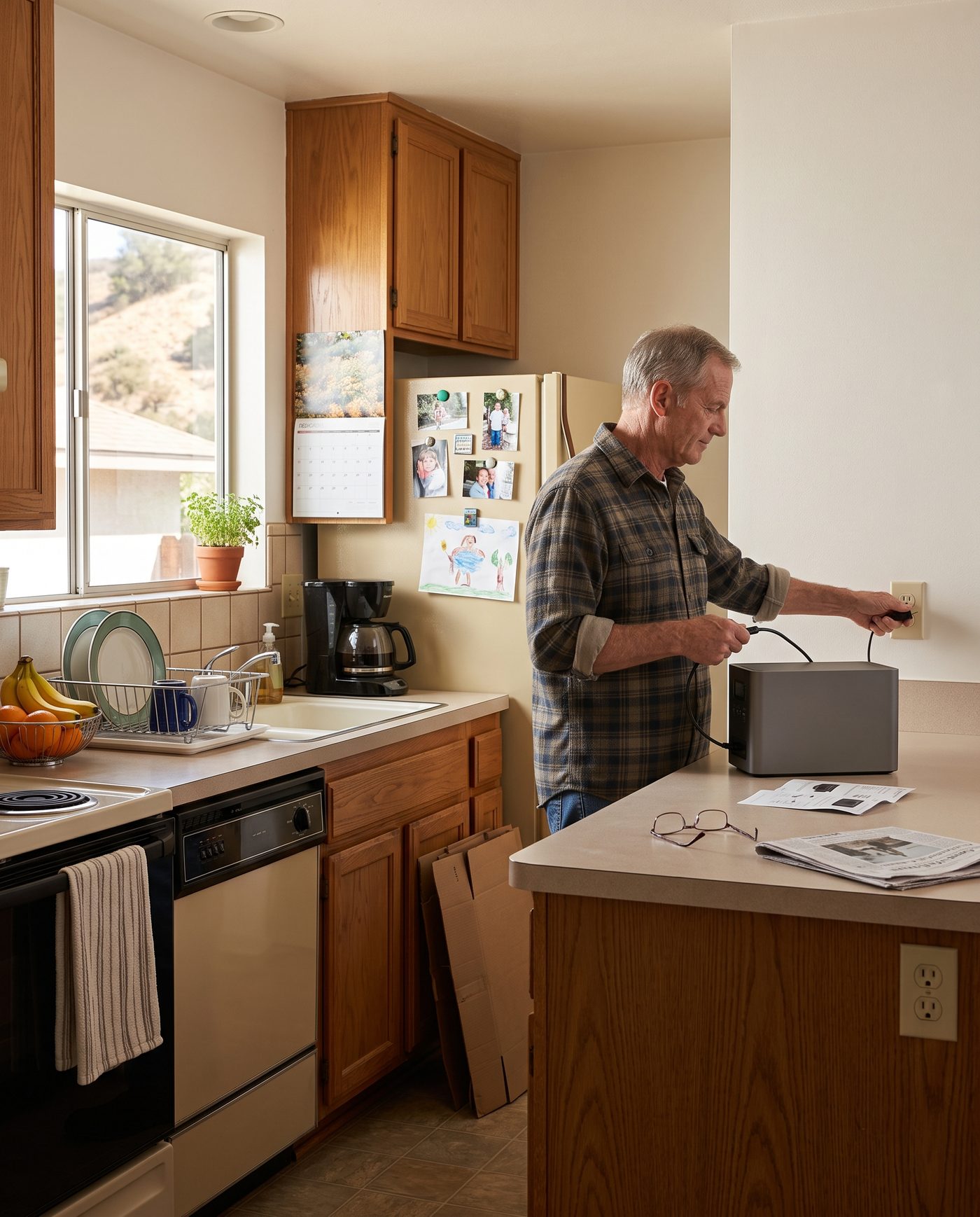
Resilience programs at a glance
What it does for you
- Targets households from your customer file, ZIP list or shapefile, and checks every claim against the customer file.
- Ships backup power, air purifiers and cooling direct, at the door in days, with no installer visit.
- Absorbs the surge when the warning goes out, on the same pipeline as an ordinary day.
The evidence
- 1,000+backup-power rebate claims processed in a matter of days, with no interruption to the programJanuary 2025 wildfires, one of the nation's largest electric utilities
- 99.8%availability over the trailing 12 months, through wildfire and Public Safety Power Shutoff (PSPS) seasonsSame program, running since 2018
- 88%of income-qualified AC buyers said the instant rebate made the purchase possibleThe largest municipal utility in the US
How it runs Enervee is your program implementer for resilience and preparedness, on the platform we own and operate for your efficiency programs: one catalog, one rebate pipeline, one eligibility check.
See the full evidenceThe real problem
Why resilience programs need a different playbook from efficiency
-
45%
Nearly half of homes sit in a hazard area.
Flood, hurricane wind, wildfire, extreme heat or hazardous air: 44.8% of US homes face severe or extreme risk from at least one. This is not a coastal or Californian program category. Almost every service territory has customers who will need backup power, clean air or cooling.
Realtor.com 2024 Housing and Climate Risk Report, on First Street risk data. In Canada, 23% of households reported an extreme weather event in 2023 (Statistics Canada).
-
1–7 days
The warning window is days, and demand fills it.
Where households got an alert before an event, the largest group had between a day and a week. Customers who ignored the offer for months want a unit in that same window, and the catalog, the claims pipeline and customer care have to absorb the spike without a queue forming.
Statistics Canada, Households and the Environment Survey 2023: of alerted households, 38% had 1–7 days’ notice, 31% had under 24 hours. US: 95% of the population lives in a county with a major disaster declaration since 2011 (Rebuild by Design).
-
3M+
For millions of customers, an outage is a medical event.
More than three million Medicare beneficiaries live at home on electricity-dependent equipment: ventilators, oxygen concentrators, dialysis machines, infusion pumps. They belong on your Medical Baseline list.
HHS emPOWER Program, ASPR and CMS: over 3 million Medicare beneficiaries with claims for electricity-dependent durable medical equipment; 4.6 million including essential home health services.
What we can run
Backup power, air purifiers and air conditioners in one program
Where a product has no Enervee Score®, the product page shows the specifications customers compare instead. The utility's qualified product list becomes the catalog.
-
Outage
Portable power stations and generators
Backup power for Public Safety Power Shutoffs and storm outages. The live case study below runs this today.
- Customers compare
- Watt-hours, output watts, runtime for a CPAP, a fridge or a router; fuel type and CARB compliance for generators.
- Who it reaches
- PSPS-area households first; Medical Baseline and critical-care customers steered to generators.
- Delivery
- Post-purchase rebate live; instant rebate, direct ship and Eco Financing® available.
-
Smoke
Air purifiers
Clean indoor air on wildfire-smoke days, for households that cannot leave and for the rooms where children and older residents sleep.
- Customers compare
- Clean-air delivery rate against room size, filter grade and replacement cost, noise at night.
- Who it reaches
- Smoke-exposed ZIP codes; respiratory Medical Baseline; multifamily renters.
- Delivery
- Post-purchase or instant rebate; no-cost units for income-qualified customers.
-
Heat
Room and portable air conditioners
Cooling for households with none, during summer heat waves. This is the one resilience category that also carries an Enervee Score.
- Customers compare
- Enervee Score®, BTU against room size, combined energy efficiency ratio, window or portable.
- Who it reaches
- Income-qualified households without central air; older residents; top-floor renters.
- Delivery
- Instant rebate at checkout, live with the largest municipal utility in the US (see below).
Target, verify, tier
Targeting by account, territory or drawn boundary, verified on every order
Fund the households you mean to, and only those. You define who qualifies and for how much. The platform checks every order and every claim against that definition before a dollar moves, and the incentive can differ by segment and by product.
-
Customer file
Account-level lists
Send the accounts that qualify, with the flags that matter: PSPS circuit, Medical Baseline, CARE/FERA income-qualified rates, critical-care battery enrollment. Name, service address and account number are matched before an incentive applies. Scheduled encrypted file or real-time API.
-
ZIP codes
Territory lists
A High Fire Risk Area ZIP list, a smoke-exposure list, a heat-island list. Used for outreach pacing and as a first eligibility gate, with account-level confirmation behind it.
-
Shapefiles
Drawn boundaries
Circuit polygons, fire-threat districts, floodplains, an evacuation zone from last season. Upload the geometry and the platform tests each service address against it, so a program can follow the hazard line instead of the postal one.
-
Verified at checkout
Checked before payment
The customer transacts only on the tier they qualify for. Per-account limits, duplicate checks and receipt validation run before payment. Every approval traces to an account, a product and a rule.
One program, rebates by tier and by segment.
Rebate by capacity so the customer with a CPAP is steered to a unit that lasts the night, and by segment so the most vulnerable households pay the least. Changes take effect through configuration, in hours.
| Product tier | PSPS area | PSPS + Medical Baseline |
|---|---|---|
| Power station, under 500 Wh | $100 | $150 |
| Power station, 500–1,500 Wh | $200 | $300 |
| Power station, over 1,500 Wh | $200 | $400 |
| Portable generator, CARB | $500 | $800 |
Illustrative amounts. Your program sets the table.
Case study · One of the nation's largest electric utilities
A backup-power program for Public Safety Power Shutoffs, running since 2018
- 01
Eligibility matched to the utility's customer file
The customer’s name, address and account are matched against the utility-provided file, including PSPS-area and Medical Baseline flags, before a rebate is approved.
- 02
The qualified product list is the catalog
Only models on the utility’s list appear, with CARB and UL requirements applied automatically. Per-account limits, for example five power stations and one generator, stop duplicate claims before they are paid.
- 03
Rebates that differ by product and by household
Up to $200 on a portable power station, up to $800 on a generator, with generators steered to Medical Baseline and critical-care households. Claimed from the phone after purchase from any retailer: receipt photographed, model and account checked, status visible throughout.
- 04
Outreach paced to the hazard geography
About a quarter of this utility’s service area is rated high fire risk. Since 2022, paid search, display and retargeting have run against its High Fire Risk Area ZIP list on a monthly allocation, so spend follows exposure and ramps into wildfire season.
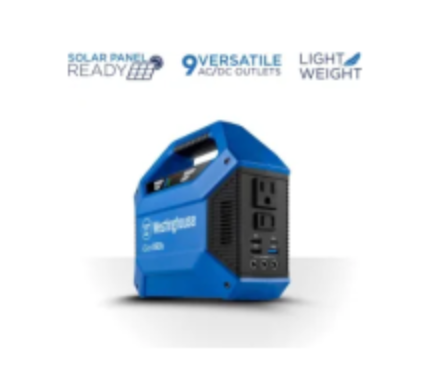
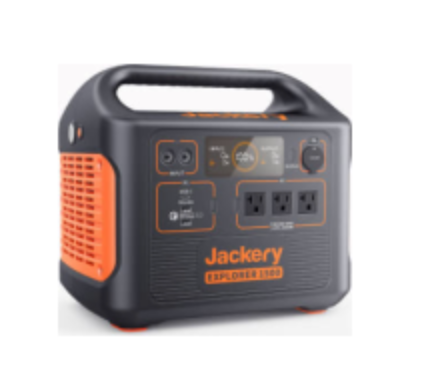
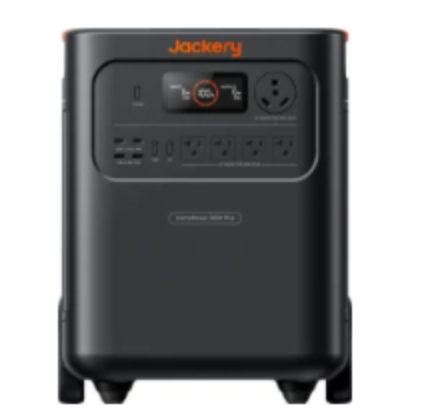
Products and prices from the live program catalog, September 2026; layout illustrative. Capacity and runtime in place of a Score, rebate shown before the purchase, eligibility confirmed against the utility's file.
January 2025 · Southern California wildfires
backup-power rebate claims in a matter of days. The program stayed up.
Wildfire surge results: 1,000+ backup-power claims in days
When the fires started, customers across the service area went looking for backup power at once. Every claim was checked against the utility's customer file and the qualified product list, and cleared through the same pipeline that runs on an ordinary Tuesday.
Four ways to deliver the incentive
Resilience incentive delivery options
Pick the delivery that fits the hazard and the household. The label on each says where it runs today.
Post-purchase rebate
Live · the PSPS case study aboveThe customer buys anywhere, photographs the receipt, and the platform validates model and account. Fast Track™ clears clean claims and pays by digital card or direct disbursement. Best when the retailer network is wide and the utility does not want to run inventory.
Instant rebate at checkout
Live · largest municipal utility in the USThe largest municipal utility in the US applied a $225 incentive to room air conditioners at checkout for income-qualified households. More than nine in ten participants took it at checkout rather than by mail-in, and 88% said the instant rebate made the purchase possible. Best when first cost is the barrier.
Direct ship, including no-cost units
Live · Pacific Northwest and California programsThe platform manages procurement and ships the unit to the service address in days, with no installation visit and no retailer trip during an event. For income-qualified households the net price can be $0; a standing $0 smart thermostat offer already runs this way for one Pacific Northwest utility. Best for Medical Baseline and CARE/FERA outreach.
Eco Financing®
Live · across Enervee marketplacesFor a generator or a large power station, monthly payments from lending partners at checkout, off the utility’s balance sheet. Best when the rebate covers part of a $1,000+ ticket and the rest would otherwise go on a credit card.
Built for the day it matters
Surge readiness when a PSPS or Red Flag warning goes out
- 1
Warning
A PSPS notice from the utility or a Red Flag Warning from the National Weather Service moves the program to heightened readiness. Enervee confirms platform headroom, monitoring and on-call coverage.
- 2
Ready
Segment-targeted messages reach eligible customers with what to buy and what the rebate covers, timed to the forecast.
- 3
Event
Capacity scales automatically for visits, eligibility checks and claims. Customer care runs extended hours. Where the program ships units, orders route across suppliers so one stock-out does not stop fulfillment.
- 4
After
Enervee reviews performance against the surge with the utility and rebalances inventory; the account-level report shows which customers were reached and which have yet to be.